

In the field, swift decisions and quick actions are required. But how is an overall quickness achieved? Not just through speed, but through efficiency. By this, we mean achieving our operational objectives with the least possible expenditure of time, effort and resources. This article uses specific examples to illustrate what this means.
More efficient means fewer efforts
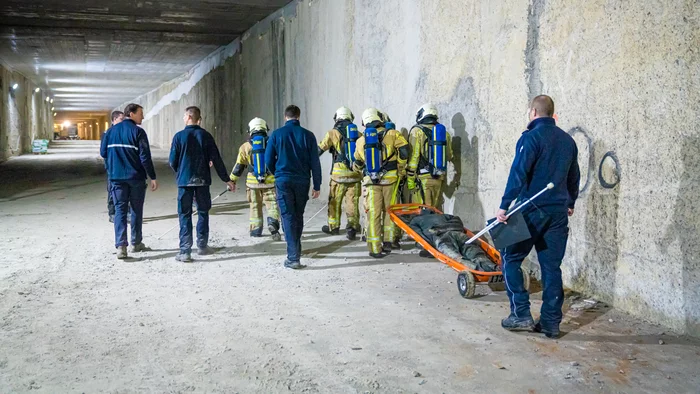
People found in the smoke must be taken to a safe area of the tunnel as quickly as possible. In the early stages of our development work, we wanted to find out how quickly firefighters wearing breathing apparatus could transport a patient on a stretcher. The test subjects achieved surprisingly high speeds whilst walking on the double. However, they couldn't keep up that pace for long, and the further they went, the slower they became.
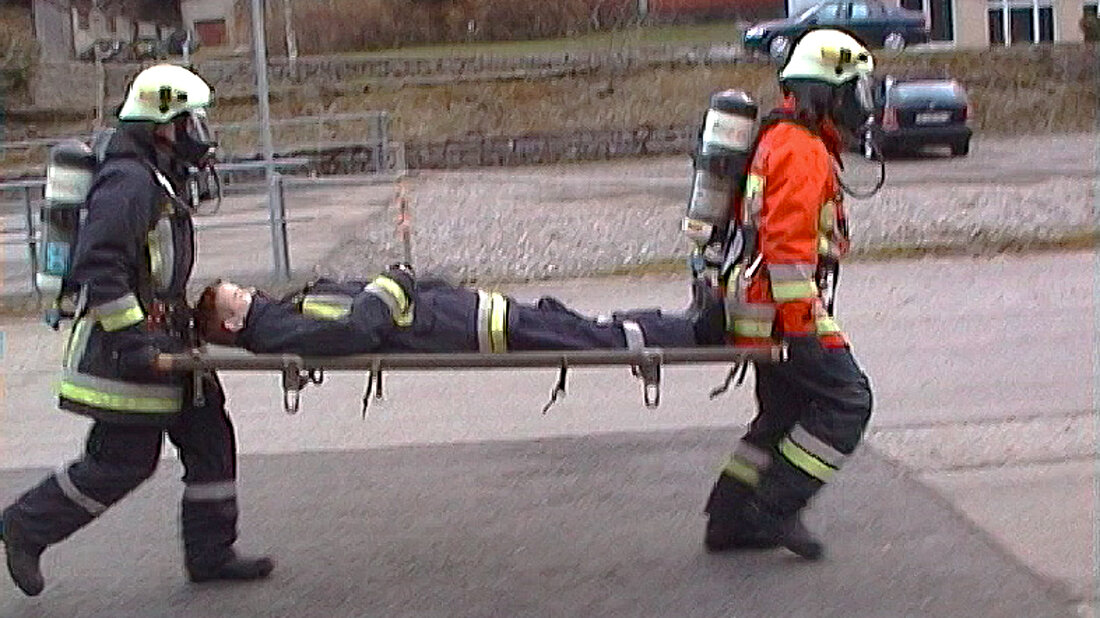
Choose suitable products
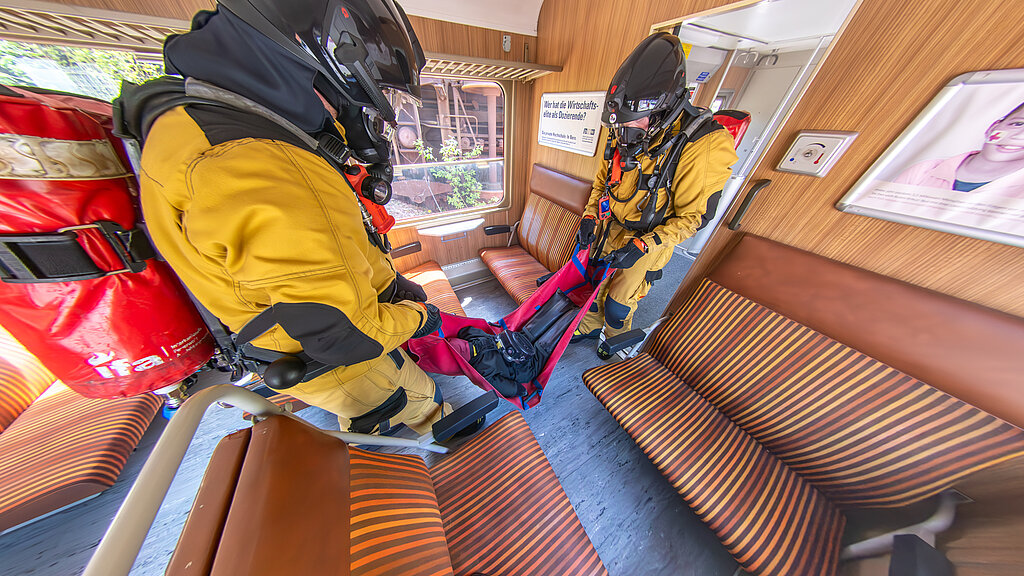
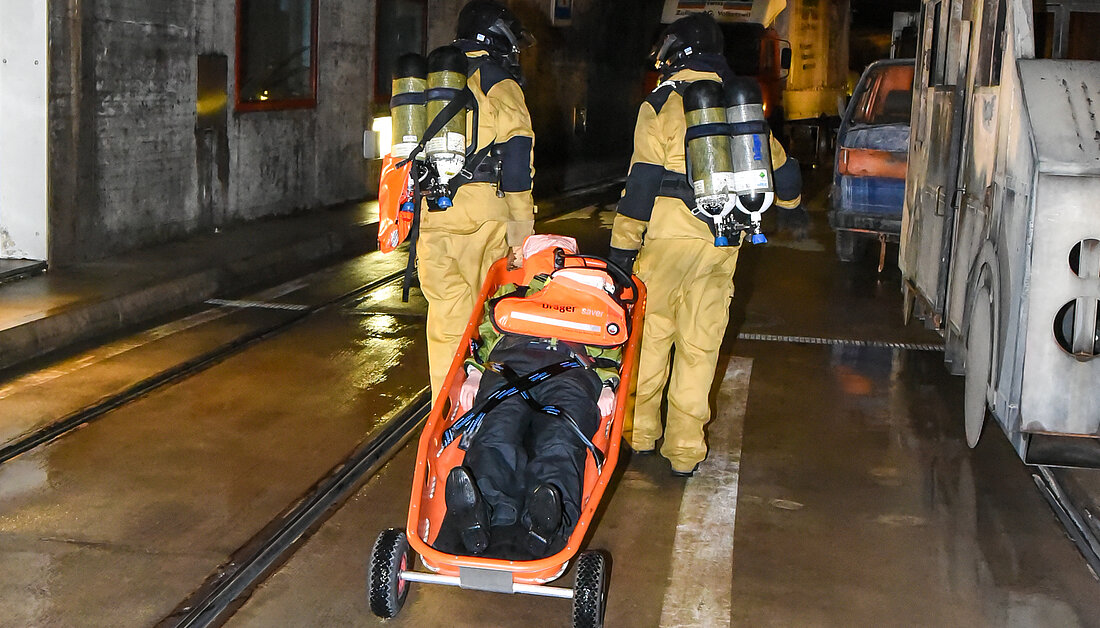
So we asked ourselves how the operational objective could be achieved by using other means. Numerous further trials showed that the quickest way to carry out a rescue is using basket stretchers fitted with wheels. They place considerably less strain on firefighters, which is why they can maintain a sufficiently high pace even over long distances. For rescue operations in narrow railway passenger cars, however, a fabric stretcher is a more suitable option.
Efficiency through error prevention
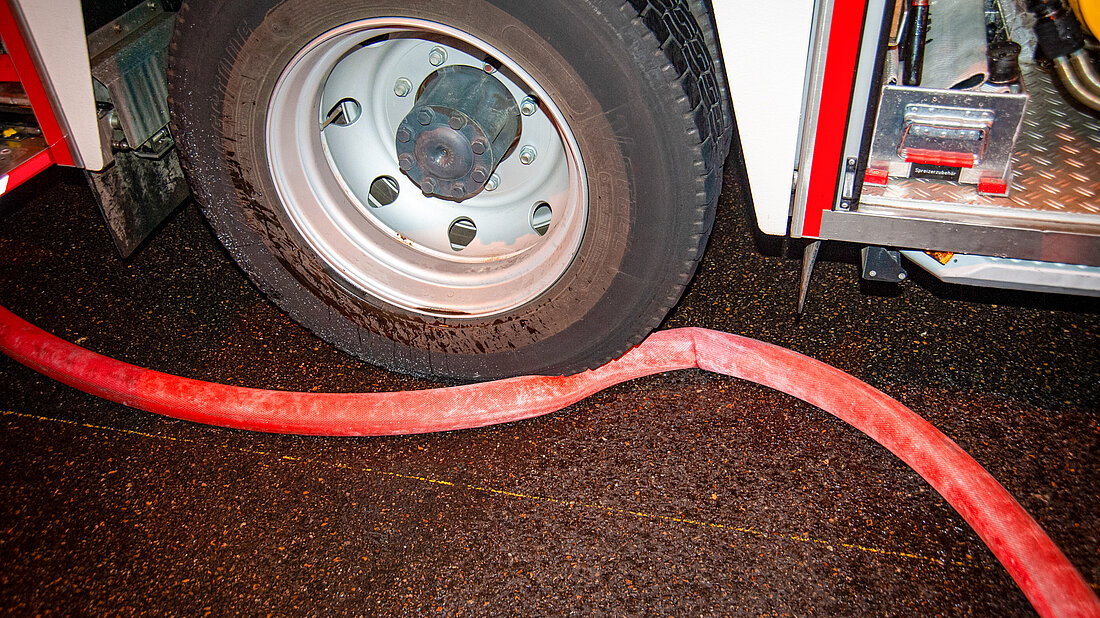
One of the most effective ways of saving time and effort is to prevent errors. When rushing to lay lines, hoses often get knotted or tangled. Or the charged line turns out to be too short and needs to be extended. Conversely, too many hoses can make firefighting more difficult. Correcting such mistakes often takes more time than laying the lines «properly» in the first place.
Efficiency does not mean perfection
However, efficiency does not mean perfection. On the contrary, whilst the textbook method of laying hose lines looks good, it can take up unnecessary time. There's no award for best-looking firefighting operations. The key factor is whether the efforts made contribute to achieving the operation's objective, such as rescuing people or animals.

Efficiency demands decision-making
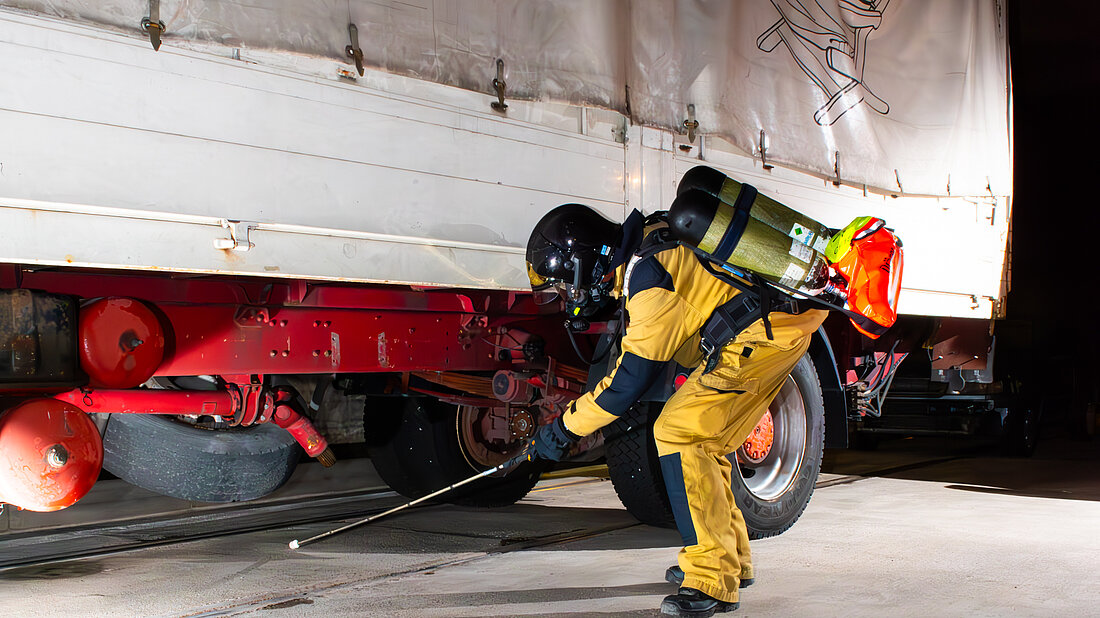
To work efficiently, decisions need to be made along the way. Is it efficient to search the cargo area of a lorry simply because, in theory, someone might be there? Or is it more efficient to search only in places where people are likely to be, such as under such a lorry? The aim is to strike a good balance between thoroughness and the time required.
Greater efficiency means making things easier
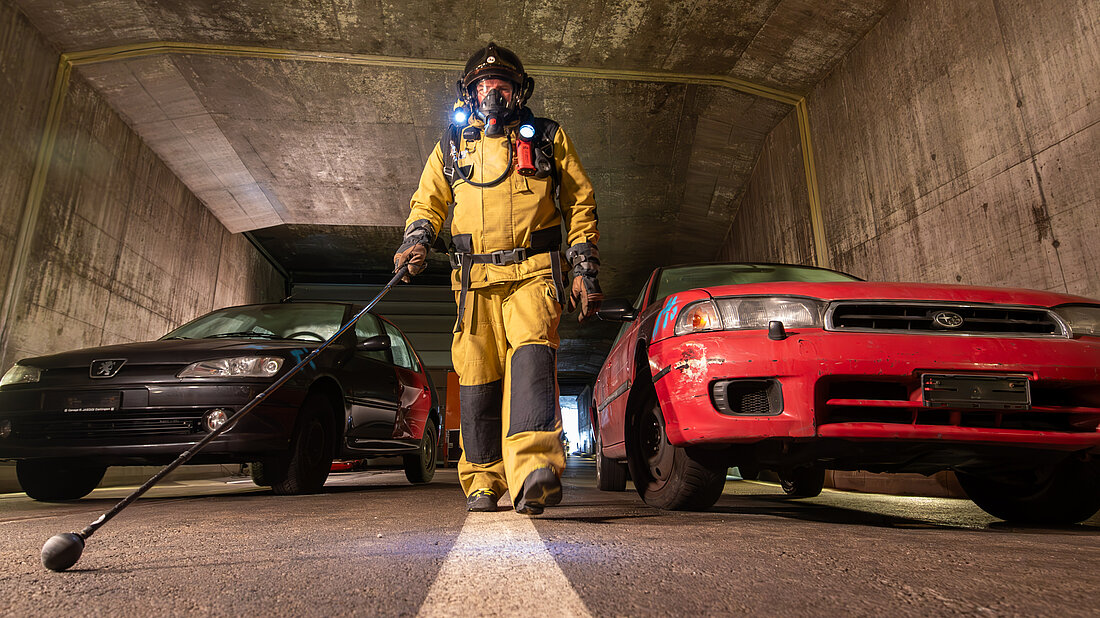
By «working efficiently», we mean making the task at hand easier. Another example is the use of search sticks. They allow areas to be searched much more quickly and efficiently than by scanning the carriageway by hand, which involves a lot of bending down – a task that would soon lead to exhaustion.
Efficiency requires mental effort
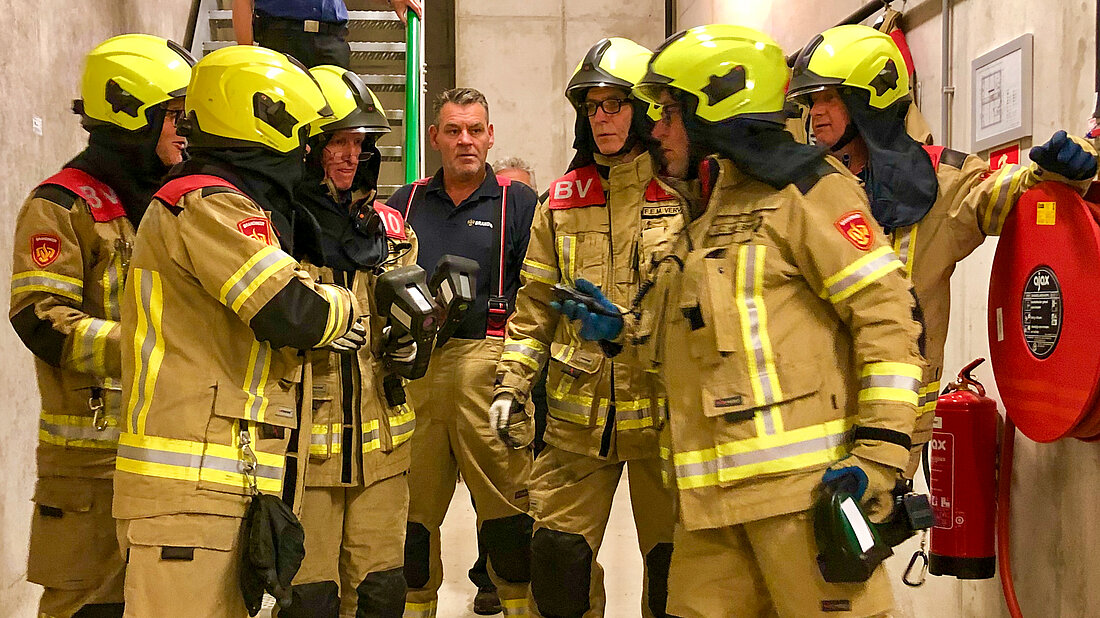
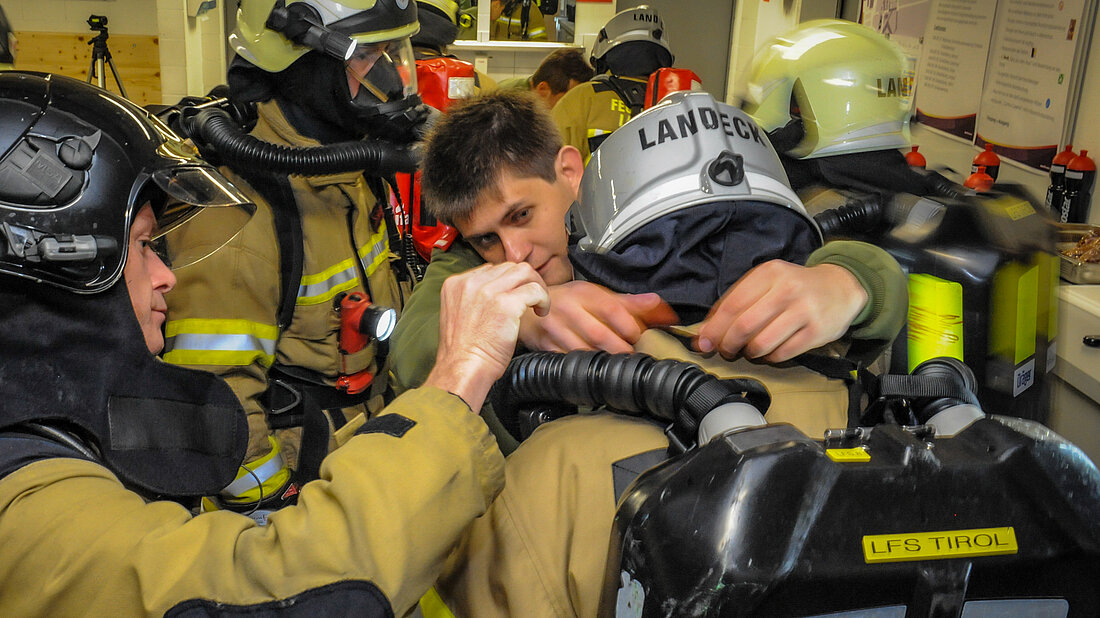
At the International Fire Academy, we have developed several procedures designed to reduce the amount of time, effort and resources required for tunnel and underground car park operations. These techniques are demonstrated and practised in our courses. However, we encourage our course participants to always think for themselves about how they can tackle each task with less time, effort and resources. It may include simple improvements, such as putting on the breathing apparatus quickly and in such a way that it causes as little hindrance as possible whilst working and does not require unnecessary effort to wear. Making all tasks carried out whilst wearing the apparatus easier and, in effect, speeds them up automatically.
Reflecting together
Efficiency can be improved through joint reflection, with those involved asking themselves how they can simplify their work. If this is done regularly after drills (as in our courses), it helps to focus on efficiency even when deployed.