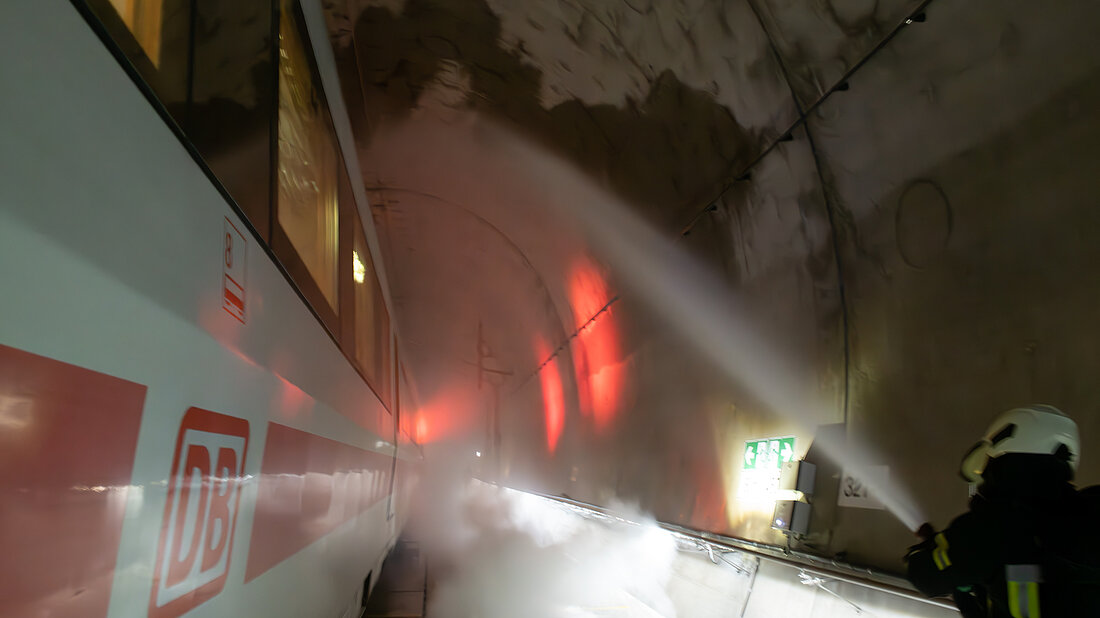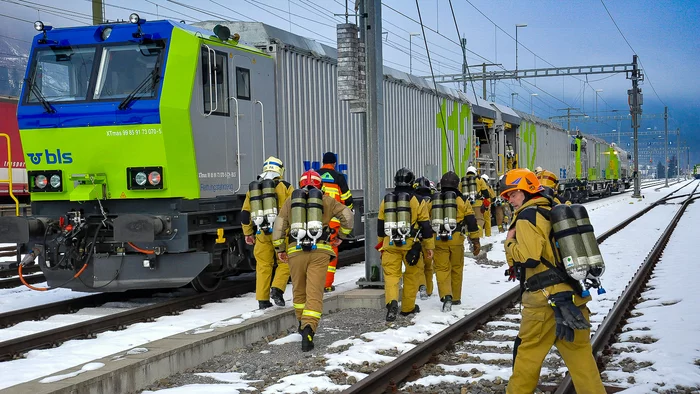


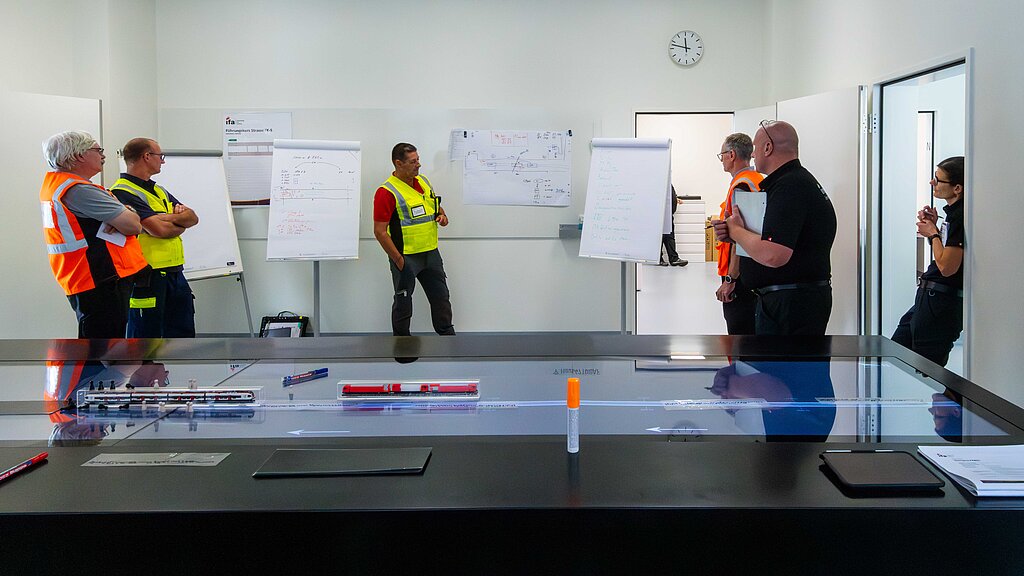
Representatives from railway companies always participate in our railway tunnel tactics courses for officers of the Swiss fire services. This close cooperation has proven to be extremely successful. That is why we want to use this article to encourage fire services to involve railway companies in their area of responsibility intensively in on-site drills and training.
What are railway companies?
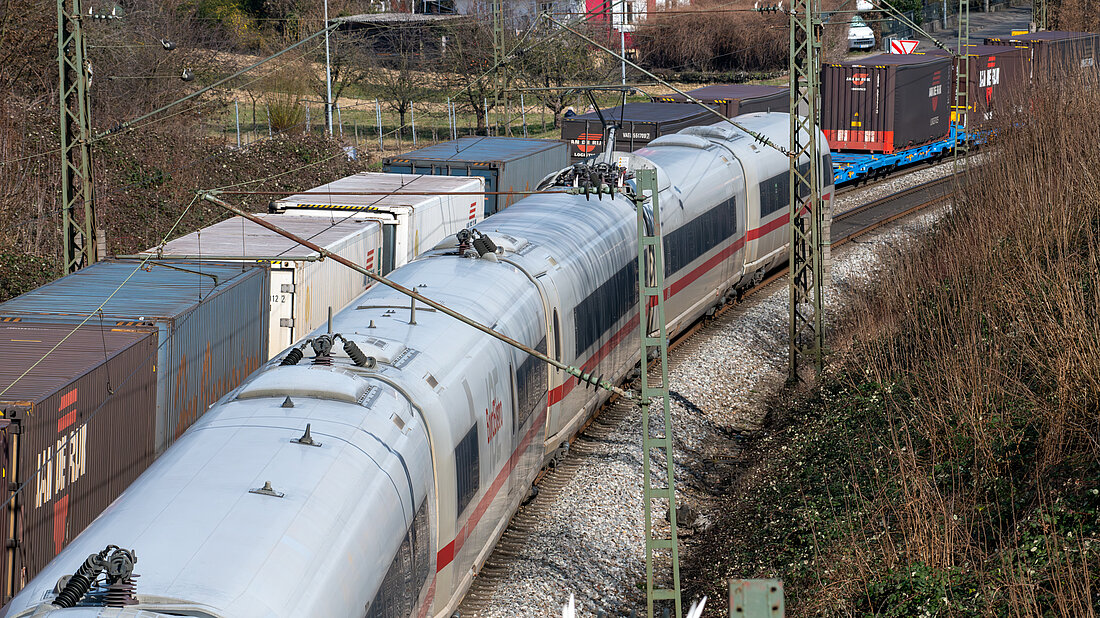
By railway companies, we mean railway infrastructure managers (RIM) and railway undertakings (RU). Railway infrastructure managers are responsible for the construction, maintenance and operation of railway technical facilities. The railway undertakings operate the rolling stock. It may be the case that the locomotives and carriages of a train belong to different railway undertakings, which in turn run on the tracks of another company (RIM).
Key contact: RIM representative
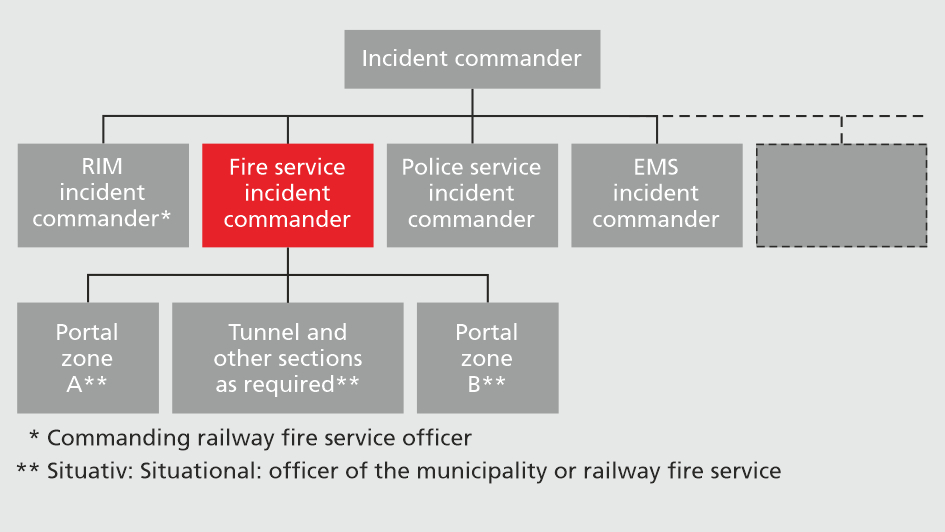
The most important point of contact for fire services during operations in the railway sector are the RIM representatives, who have different titles depending on the country. In Switzerland, for example, they are called «Incident Commander Rail», while in Germany they are known as «emergency manager». Representatives of the railway undertaking involved are usually not available on site, at least in the initial phase of an operation, with the exception of the train crew. The following diagram shows how railway representatives in Switzerland are typically integrated into the management organisation.
Fire services cannot operate independently on railway infrastructure
When responding to incidents on railway infrastructure, both the fire services and RIM take numerous measures that must be coordinated. Simply put, fire services cannot operate independently on railway premises. For example, the fire service can only take action once the traffic on the affected tracks has been discontinued, which can only be done by the RIM. However, a RIM representative must also explain in plain language what «traffic discontinued» means in the specific operational context and the hazards the emergency services must be aware of despite the track closure.
Local conditions can vary greatly
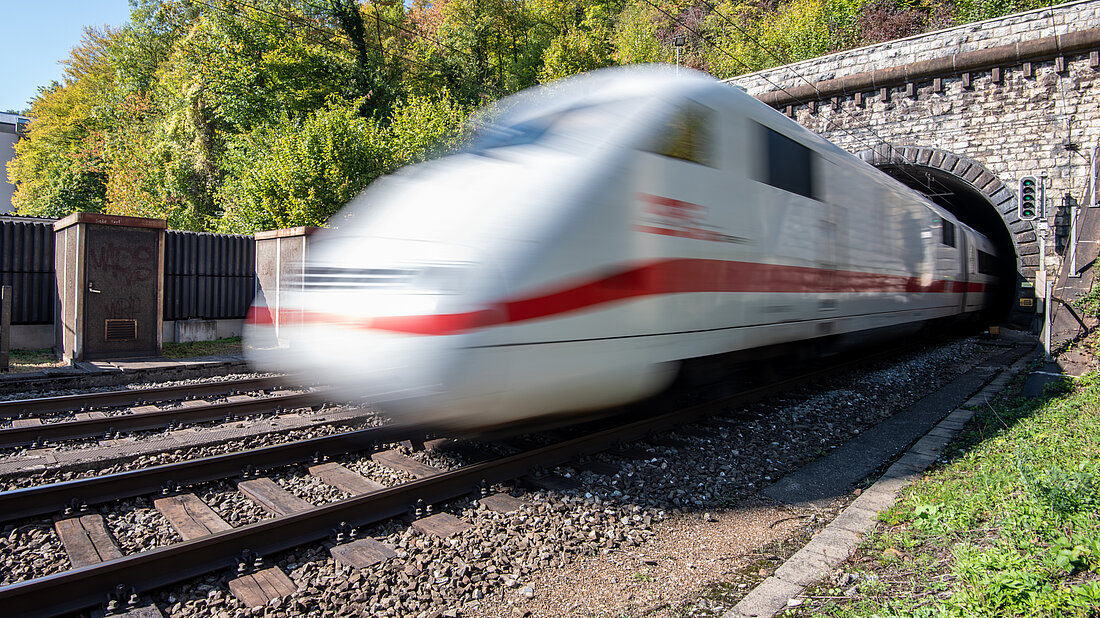
Based on the reference book «Firefighting Operations in Railway Tunnels» and the accompanying «Leaflets», the International Fire Academy teaches the basics of safe and efficient working on railway tracks and in railway tunnels in its railway courses for officers. However, this alone is not sufficient, as local operating conditions can vary greatly. There are general guidelines for when, for example, the emergency manager or a firefighting and rescue train can be expected to arrive. But these times can really vary depending on where you are. Therefore, such issues should be clarified by the relevant local stakeholders to identify opportunities and limitations and align mutual expectations.
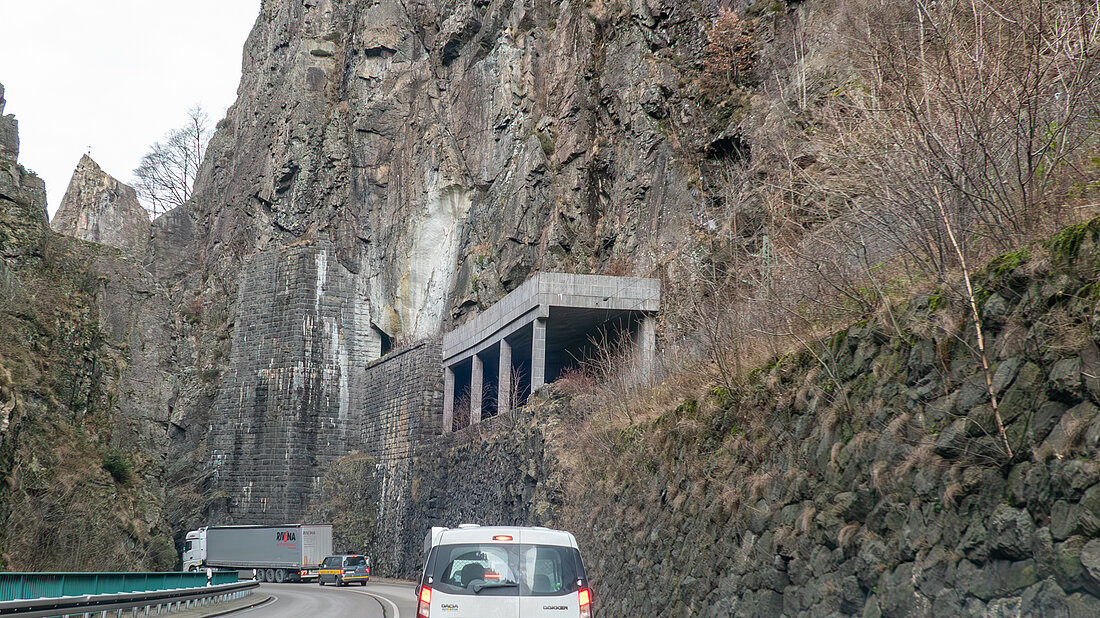
Table-top simulation games as the basis for cooperation
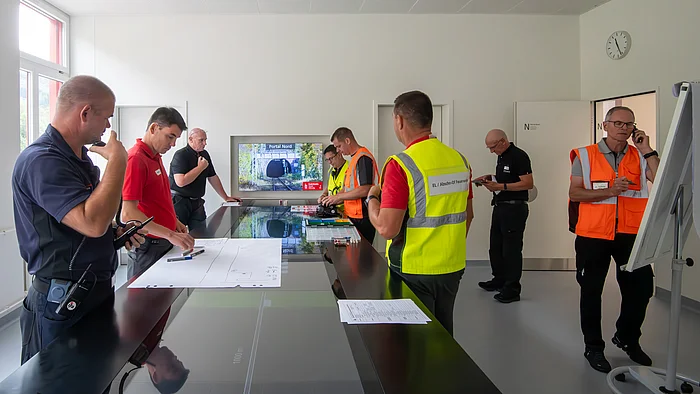
The International Fire Academy recommends inviting RIM representatives to participate in table-top simulation games in which specific situations are played out together. Colleagues from railway companies can then, for example, better understand the tactical principles of the fire service and support them in a targeted manner through RIM measures. Conversely, fire service officers can develop an understanding of why measures taken by railway companies can sometimes be very time-consuming, such as the time required to clear the track so rail-bound emergency vehicles can reach the scene of an incident.
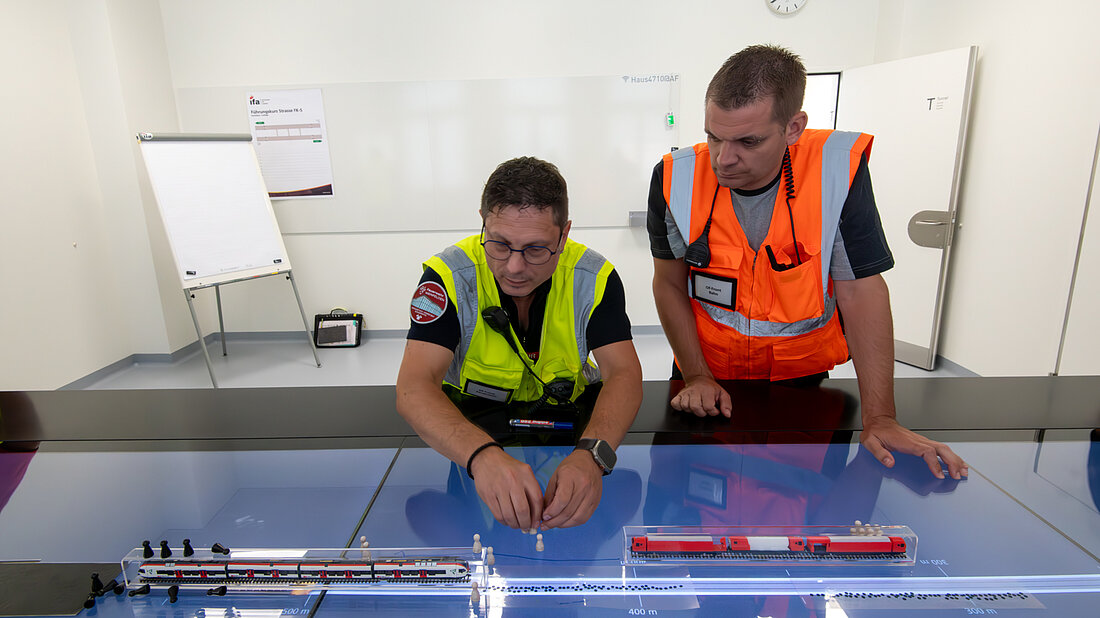
Making the railway world tangible
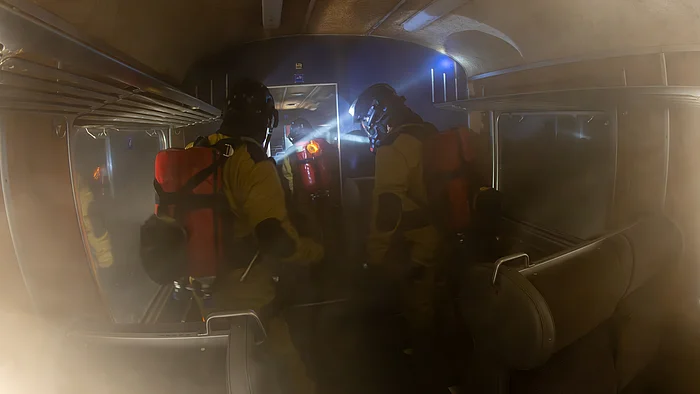
The locally responsible RIM representatives can also help firefighters to better understand the railway world as a whole with its own technical language, for example, by enabling them to enter tunnels or open passenger cars with special keys. Many fire services responsible for railway tunnels report that such joint activities not only promote cooperation, but are also valued by many firefighters as varied and interesting training. Ideally, cooperation with railway companies will also generate good ideas for training drills in railway tunnels.