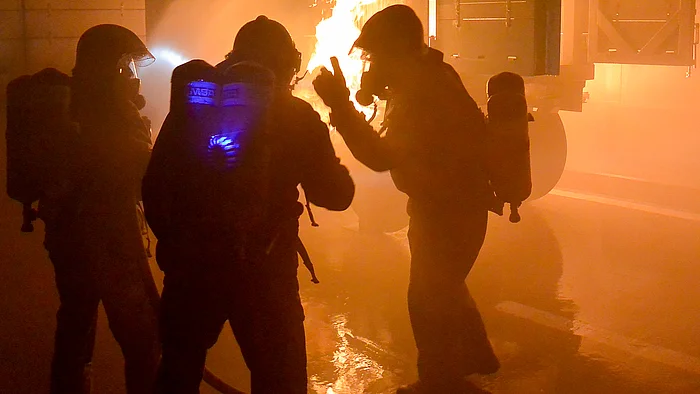


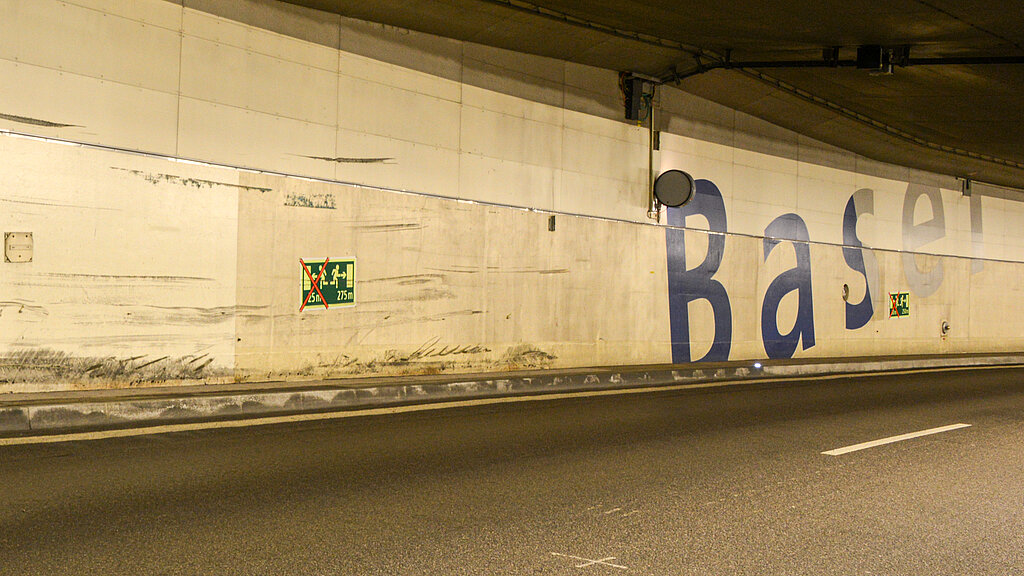
Our courses frequently address how fire services should respond to failures in technical tunnel systems, such as ventilation systems. We discussed this question within our Didactics and Development Team. The conclusion: Such situations need to be dealt with on a case-by-case basis. The «Plan B» approach can be practised, for example, in table-top exercises.
Useful systems that can also fail
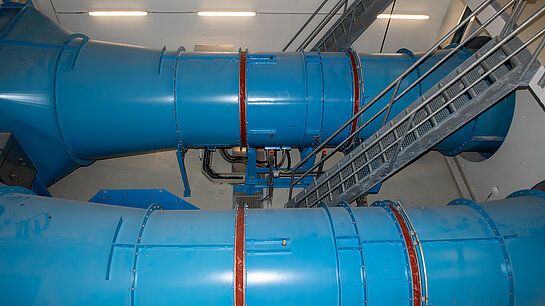
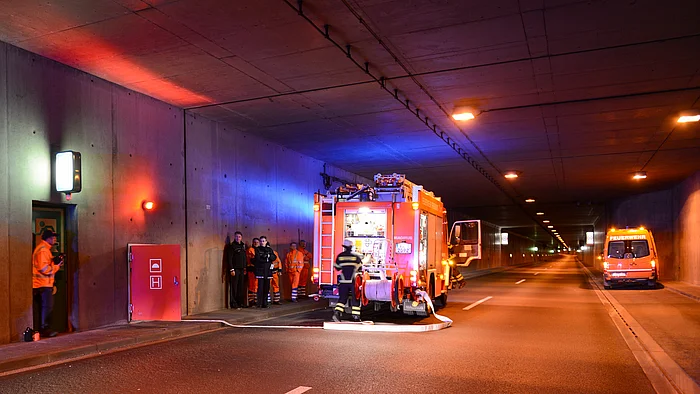
Rail and road tunnels are equipped with a wide range of technical systems that assist the fire service in its work, in particular the tunnel radio system, ventilation systems, and water supply systems. Technical equipment may fail during operations. However, even facilities such as emergency exit doors may, in rare cases, be out of order.
A lot of complex technology behind the scenes
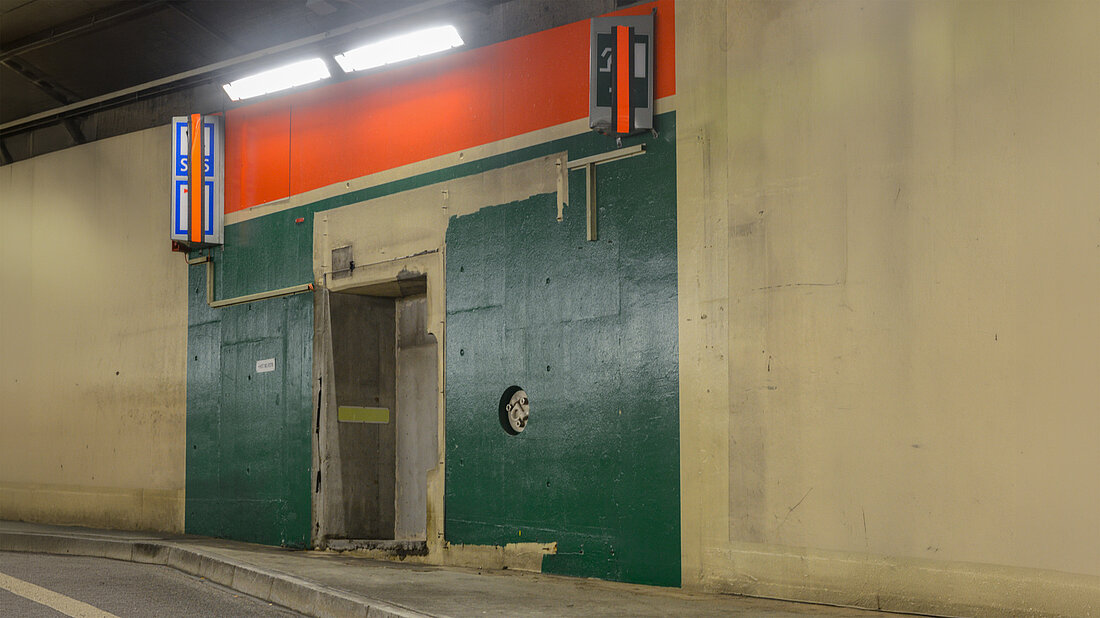
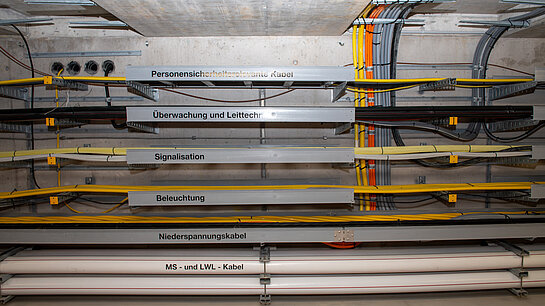
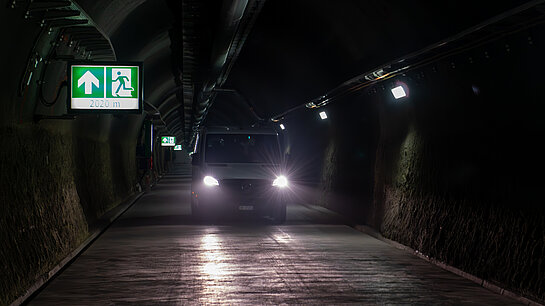
Many safety features in tunnels are obvious, such as fire hydrants, emergency lighting and SOS cabins equipped with fire extinguishers and emergency call points. But only by taking a look behind the scenes can one appreciate the full extent and complexity of the tunnel technology relevant to the fire service. We therefore generally recommend carrying out regular inspections of tunnel facilities within one's own area of operation and, whilst doing so, discussing with tunnel operator staff which systems might fail and what consequences this could have for operational procedures.
The consequences can vary greatly
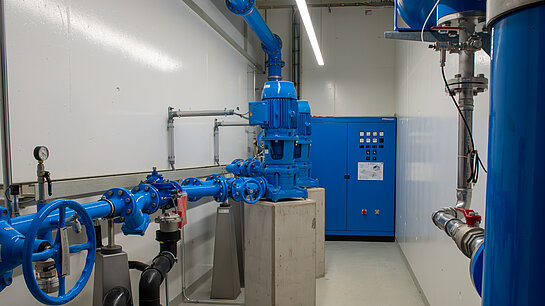
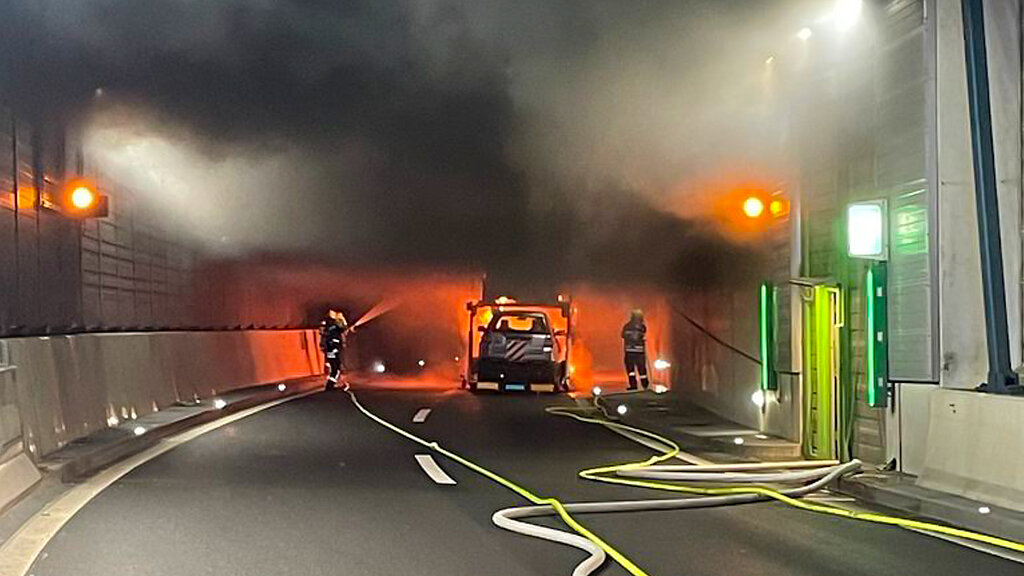
During firefighting operations, failures of tunnel installations can have very different consequences. In one scenario, the failure of the tunnel's water supply does not pose a serious problem, as the water within the fire apparatus's tank is sufficient for the task at hand. In a second scenario, the water shortage could force the fire services to withdraw and set up an alternative supply first.
The «Plan B» principle
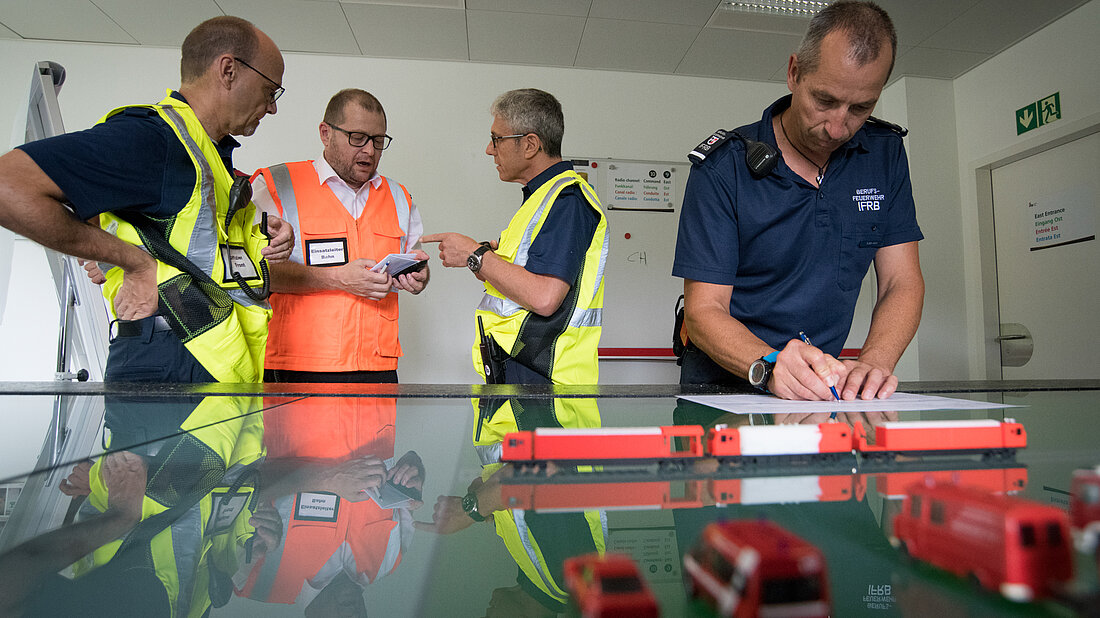
The International Fire Academy's Didactics and Development Team recommends that the potential failure of tunnel systems relevant to operational scenarios be explicitly addressed during table-top exercises, for example, by issuing a message stating that the tunnel ventilation has failed. It is then up to the participants to consider how this would affect the tunnel they have just practised in and the hypothetical scenario, and how they might respond. The idea is to come up with a Plan B before Plan A fails. Or at least to have an idea of how to deal with technical faults in the tunnel, who the points of contact are, and what information would need to be obtained.
Special case: radio interference
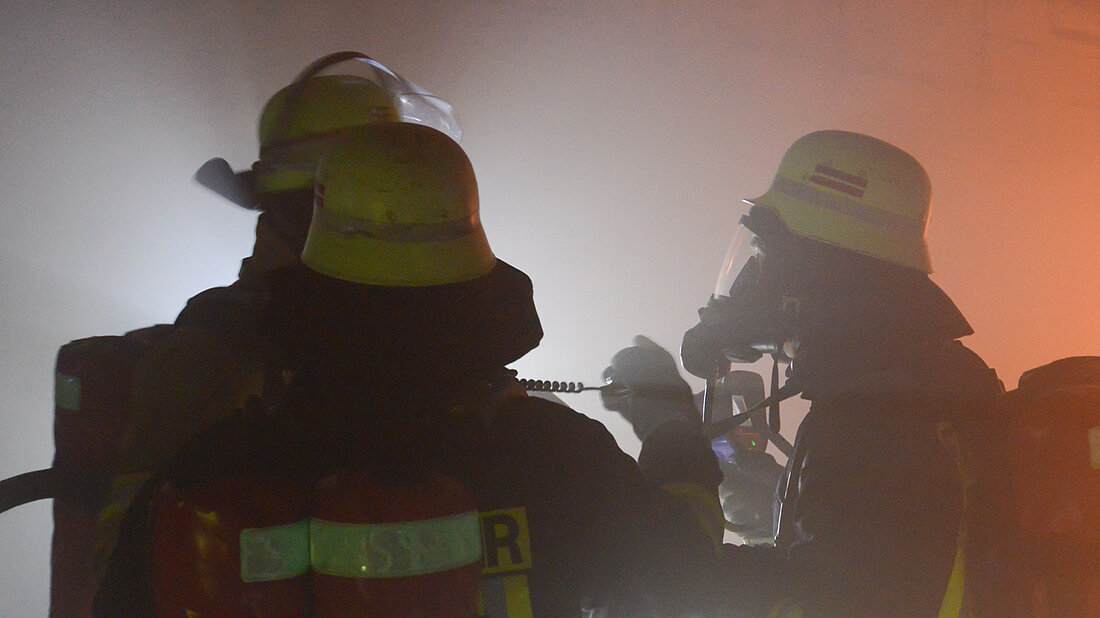
Not every failure of tunnel equipment is a problem, which is why the situation must ultimately be assessed and dealt with on a case-by-case basis. However, a loss of radio contact with or between those smoke diving is always dangerous. Because then it would no longer be possible to monitor the smoke-diving team, and the teams would no longer be able to make emergency calls safely. Therefore, the following applies here: the team must, in any event, withdraw at least until radio contact has been re-established.
![[Translate to English:] Stabsraum für den Lötschberg-Basistunnel mit Besprechungstisch und Funktionswesten über den Stuhllehnen](/fileadmin/_processed_/9/4/csm_ifa_MAG_418_Pilot67_76cb24e7fb.webp "[Translate to English:] Stabsraum")