

Correct and complete equipment for the teams is one of the most important prerequisites for successful operations. It is especially true for assignments in railway and road tunnels, due to the great penetration depths and, at times, very long access routes: If firefighters have to turn back to collect forgotten equipment, this significantly delays their operations. This article provides suggestions and tips for practising gear setup on-site.
Practise the entire routine
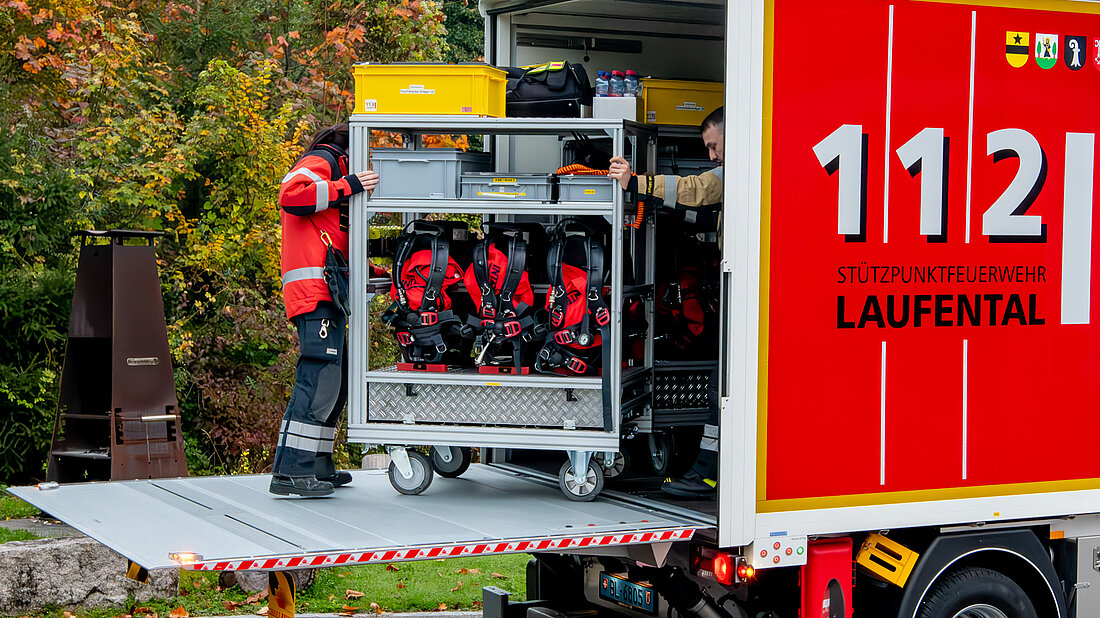
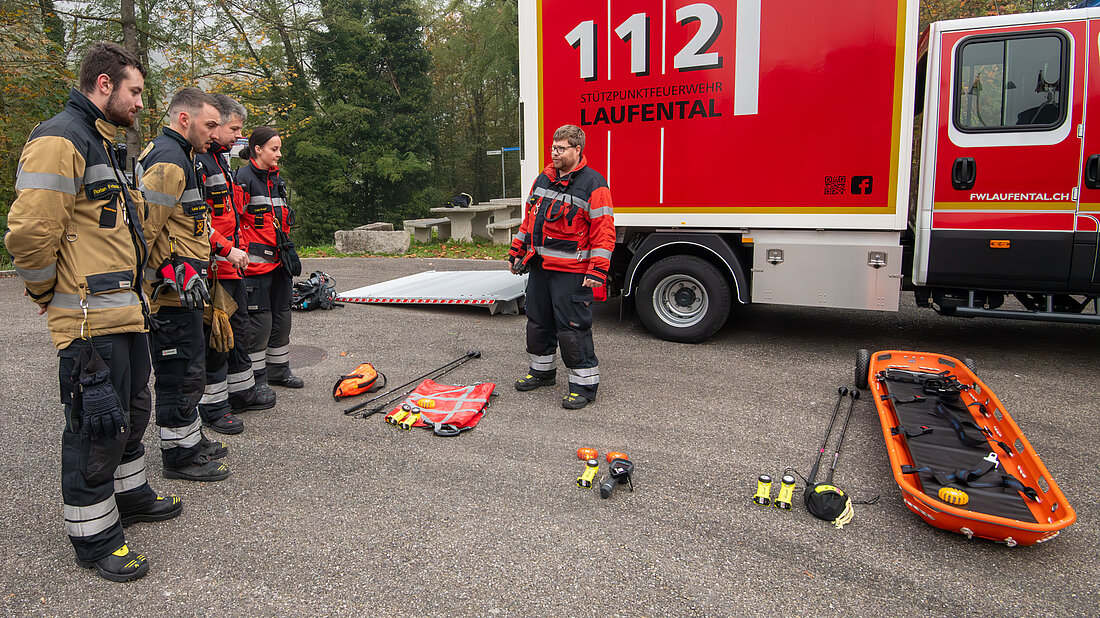
The procedure described here has proved effective for practising how to properly and fully equip. First, the equipment is collected from apparatuses or modular trolleys. First step: Where in the vehicles or modular trolley can the necessary equipment be found?
Leaflets provide guidance
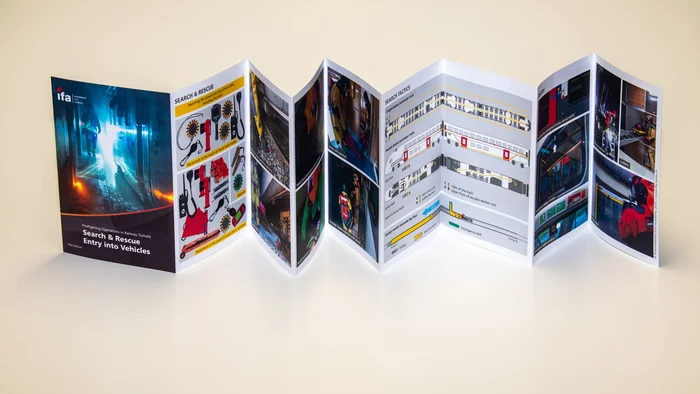
We recommend that instructors use our Leaflets on operations in railway and road tunnels as a resource. They can be downloaded free of charge from the «Knowledge» section of our website or obtained from us in printed form.
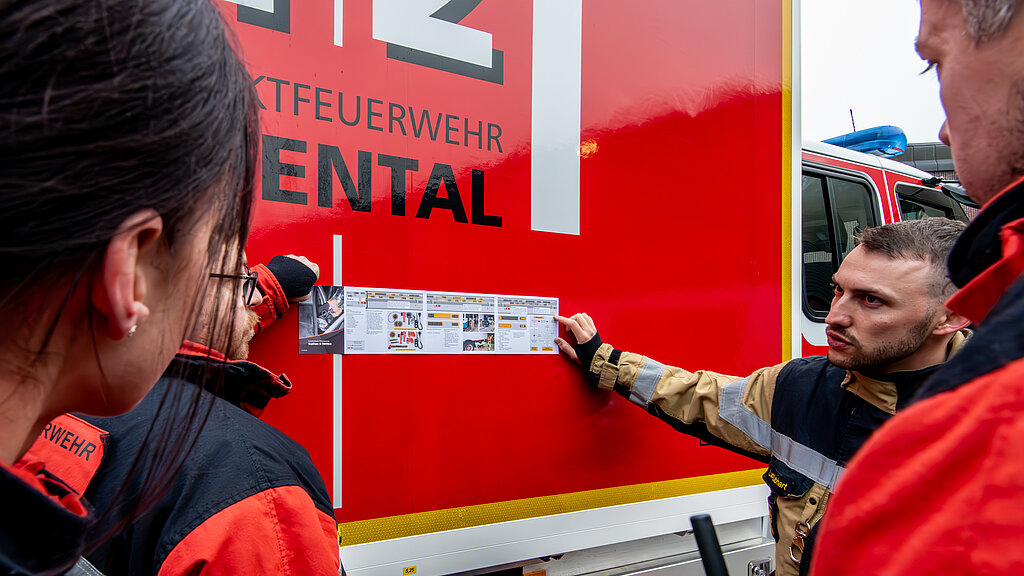
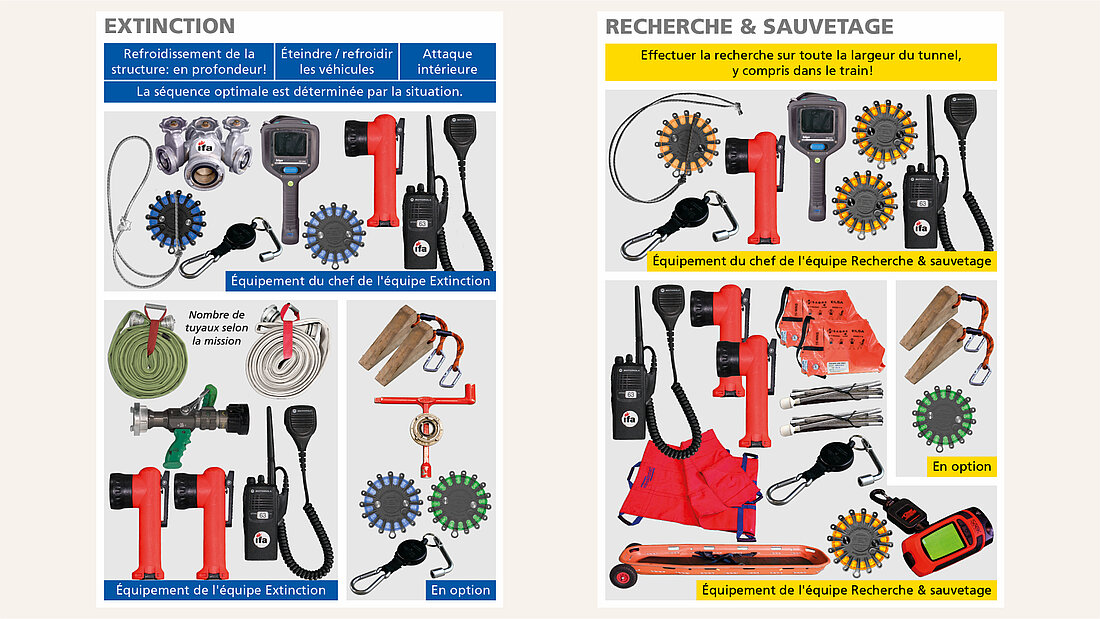
The leaflets clearly set out the operational resources recommended by the International Fire Academy. We recommend marking any deviating setups in the technical data sheets and then using this corrected version. By doing so, they become a personalised checklist that provides reassurance to the firefighters.
Optimising how you carry your kit
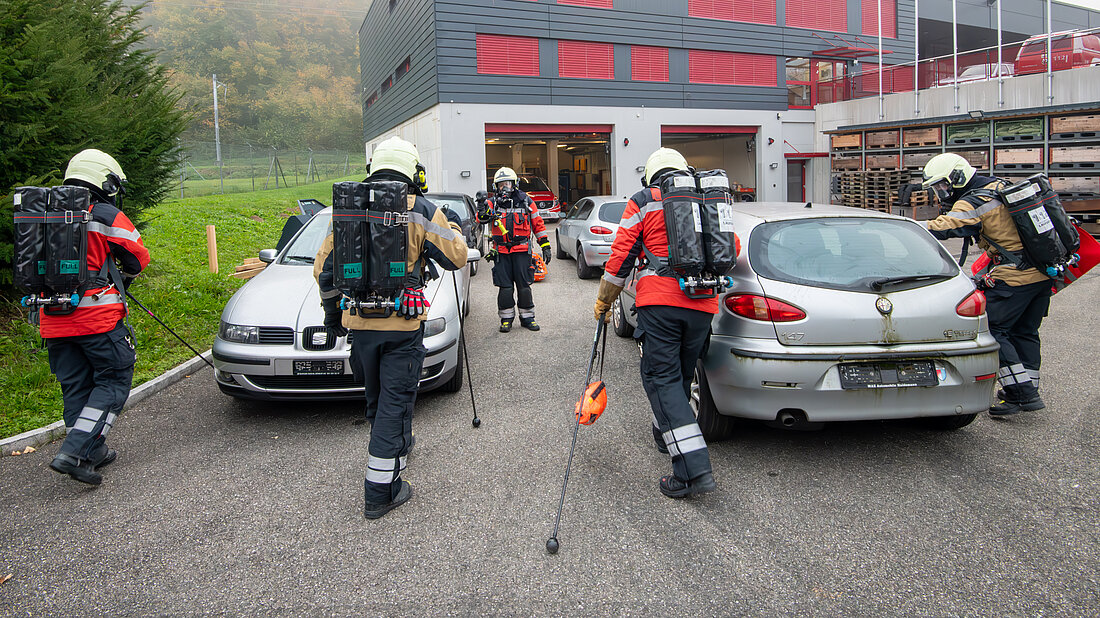
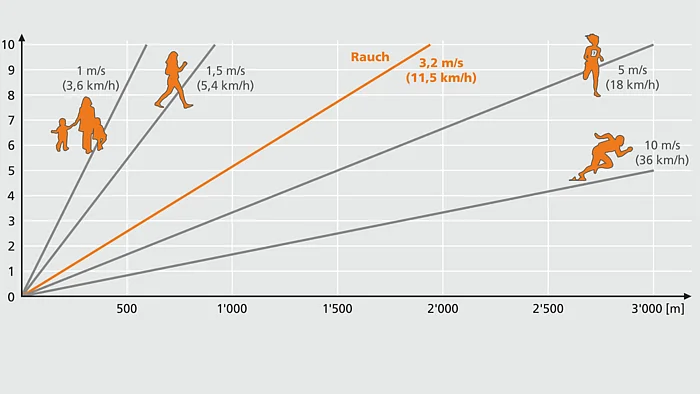
Finally, it must be clarified who carries which piece of equipment and how. In practice, theory is of little use. We recommend trying out the equipment in a practical setting, for example whilst searching a vehicle. It's not the search procedure that matters, but rather which pockets you stow away the search stick and marking lights, for example, whether you hang the bag with the fire escape hood around your neck or carry it, and similar practical questions. It should always be considered that the route to the incident site in a tunnel can be several hundred metres long.